 Chat with us
Welcome to Our Company





 Send Inquiry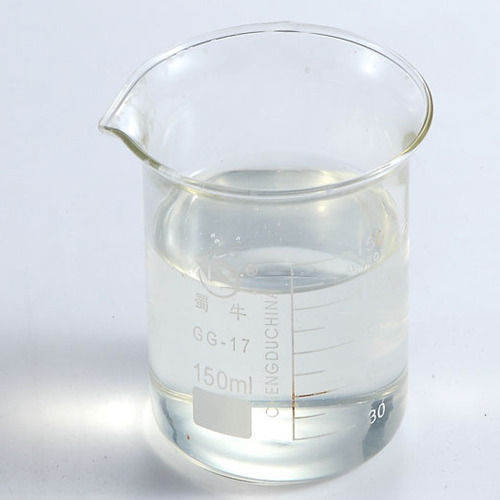
MONOETHYLENE GLYCOL
879 INR/Kilograms
Product Details:
- HS Code 29053100
- Purity 99.8%
- Structural Formula HOCH2CH2OH
- Molecular Formula C2H6O2
- Refractive Rate 1.4318 (at 20C)
- Storage Store in a cool dry well-ventilated area away from incompatible substances.
- Density 1.1132 Gram per cubic centimeter(g/cm3)
- Click to View more
X
MONOETHYLENE GLYCOL Price and Quantity
- 1 Kilograms
- 879 INR/Kilograms
MONOETHYLENE GLYCOL Product Specification
- Monoethylene Glycol
- Odorless or slightly sweet
- -12.9C
- 197.3C
- Sweet (toxic when ingested)
- No
- Glycol
- Chemical Manufacturing Refrigeration Systems
- Ethylene Glycol Ethane-12-diol
- 62.07 g/mol GSM (gm/2)
- 203-473-3
- Store in a cool dry well-ventilated area away from incompatible substances.
- 107-21-1
- 1.4318 (at 20C)
- C2H6O2
- 99.8%
- HOCH2CH2OH
- Industrial Grade
- 29053100
- ISO 9001:2015
- Viscous Liquid
- Ethylene Oxide
- Soluble in water alcohols acetone
- Organic Compound
- Liquid
- Antifreeze Coolants Polyester Production
- 1.1132 Gram per cubic centimeter(g/cm3)
- 5.57.5 (in aqueous solution)
Product Description
As a suitable coating compound, MONOETHYLENE GLYCOL forms a protective film on applied surface ( made of metal) to avoid corrosion formation and various other external factors that can harm treated surface. The passivation layer formed by this coating compound acts as the perfect barrier against other chemicals, water and rust. This passivation layer is also effective in resisting electrochemical polarization of treated surface. Application of this chemical can be noticed in industries involved in producing coolants, anti freezing factors and polyester fiber.
Essential Properties and Composition
Monoethylene Glycol is a viscous liquid derived from ethylene oxide, characterized by its high solubility in water and acetone, a melting point of -12.9C, and a boiling point of 197.3C. With a molecular weight of 62.07 g/mol and a refractive index of 1.4318 at 20C, it is well-suited for a range of industrial applications. Its chemical stability and high purity make it a reliable component in manufacturing processes.
Diverse Industrial Applications
Industrial grade Monoethylene Glycol is chiefly used as a raw material in the production of antifreeze coolants, polyester resins, and for dehydrating natural gas. Furthermore, it is a key fluid in refrigeration systems and is heavily utilized in chemical manufacturing owing to its versatile solvent properties and consistency.
Safe Storage and Handling Solutions
Proper handling and storage are crucial for Monoethylene Glycol to maintain product quality and safety. It should be stored in a cool, dry, well-ventilated area, separated from incompatible substances to prevent hazardous reactions. Although it is odorless or has a slightly sweet smell, MEG is toxic if ingested and should be managed by trained personnel with appropriate safety measures in place.
FAQ's of MONOETHYLENE GLYCOL:
Q: How should Monoethylene Glycol be stored to maintain its quality?
A: Monoethylene Glycol should be stored in a cool, dry, and well-ventilated area away from incompatible substances such as strong oxidizers. Securely closed containers and controlled temperatures help prevent contamination and degradation.Q: What are the main industrial uses of Monoethylene Glycol?
A: Monoethylene Glycol is primarily used in the production of antifreeze coolants, polyester fiber manufacturing, refrigeration system fluids, and as a raw material in chemical synthesis due to its excellent solubility and stability.Q: When is Monoethylene Glycol typically applied in manufacturing processes?
A: Monoethylene Glycol is utilized throughout the year, but its use in antifreeze coolants becomes particularly vital in colder seasons to prevent freezing in engines and cooling systems.Q: Where is Monoethylene Glycol most effectively utilized?
A: Monoethylene Glycol is most effective in industries related to automotive (as coolant/antifreeze), textiles (polyester production), chemical plants, and refrigeration sectors due to its chemical and physical properties.Q: What is the process for producing Monoethylene Glycol?
A: Monoethylene Glycol is produced by the hydration of ethylene oxide, typically in a controlled industrial environment, resulting in a viscous liquid with high purity suitable for various applications.Q: How does using Monoethylene Glycol benefit industrial applications?
A: Using Monoethylene Glycol provides benefits such as reliable thermal management in coolant systems, efficient production of polyester fibers, and solvent capabilities for chemical synthesis, enhancing overall process efficiency.Q: Is Monoethylene Glycol safe to handle, and what precautions should be taken?
A: While generally safe to handle in industrial settings, Monoethylene Glycol is toxic if ingested and may cause health risks. Proper personal protective equipment (PPE) and adherence to safety procedures are essential during storage and use.Tell us about your requirement

Price:
Quantity
Select Unit
- 50
- 100
- 200
- 250
- 500
- 1000+
Additional detail
Mobile number
Email

Other Products in 'Industrial Chemicals' category


 Send Inquiry
 Send SMS
VCARE MEDICINES
GST : 27AEKPB3528C1ZX
GST : 27AEKPB3528C1ZX

- Shop No : C-13, First Floor, Shree Ram Industrial Estate, GD Ambekar Marg, Wadala,Mumbai - 400031, Maharashtra, India
- Phone :08045812810

- Mr Suneet Bhutta (Director)
- Mobile :08045812810
-
 suneetbhutta@vcarewellness.com

|


VCARE MEDICINES
All Rights Reserved.(Terms of Use)
Developed and Managed by Infocom Network Private Limited.
Developed and Managed by Infocom Network Private Limited.

