 Chat with us
Welcome to Our Company





 Send Inquiry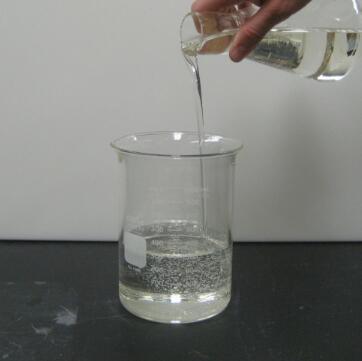
Refined Glycerine
Product Details:
- Storage Room Temperature
- Form Liquid
- Purity 99%
- Solubility Water
- Grade Industrial Grade
- Usage Industrial
- Click to View more
X
REFINED GLYCERINE Price and Quantity
- 200 Kilograms
REFINED GLYCERINE Product Specification
- Industrial
- Industrial Grade
- Liquid
- Room Temperature
- Water
- 99%
Product Description
Refined glycerine, also known as glycerol or glycerin, is a versatile and widely used chemical compound with numerous applications across various industries. It is a clear, odorless, and sweet-tasting liquid, typically produced as a byproduct in the manufacturing of soap, biodiesel, and other products.
Applications of Refined Glycerine:
1. Pharmaceuticals and Personal Care Products: Refined glycerine is commonly used in pharmaceutical formulations, including cough syrups, lozenges, and suppositories. It is also present in various personal care products such as skin creams, lotions, soaps, toothpaste, and hair care products due to its moisturizing properties.
2. Food and Beverages: Glycerine is used as a food additive and sweetener in various food products, including confectionery items, baked goods, dairy products, and beverages. It helps to retain moisture, extend shelf life, and improve the texture of food items.
3. Cosmetics and Skincare: Glycerine is a common ingredient in cosmetics and skincare products due to its humectant properties, which help to draw and retain moisture. It is used in moisturizers, facial cleansers, makeup products, and other beauty products.
4. Pharmaceutical Excipient: In the pharmaceutical industry, refined glycerine serves as an excipient in drug formulations, helping to stabilize and enhance the solubility of active pharmaceutical ingredients.
5. E-Cigarettes and Vaping Liquids: Glycerine is used in e-cigarette and vaping liquids as a base for delivering nicotine and flavors. It helps create the vapor when heated.
6. Antifreeze and Coolants: Refined glycerine is used in the automotive industry as an ingredient in antifreeze and engine coolants due to its low toxicity and ability to prevent freezing at low temperatures.
7. Chemical Intermediates: It is utilized as a chemical intermediate in the production of various chemicals, including propylene glycol, epoxy resins, and polyurethane foams.
8. Inks and Printing: Glycerine is used in the printing industry to maintain the moisture balance of printing inks and prevent them from drying out too quickly.
9. Tobacco Industry: Refined glycerine is used as a humectant and moisture retainer in tobacco products like chewing tobacco and moist snuff.
10. Veterinary and Animal Feeds: Glycerine is used in some veterinary products and animal feeds as a source of energy and to improve palatability.
11. Textile Industry: Glycerine is sometimes used in the textile industry as a softening agent for fabrics.
Other Industrial Applications: Glycerine finds use in a wide range of other industrial applications, including as a solvent in chemical processes, as a lubricant, and as a component in certain explosives and pyrotechnics.
Refined Glycerine Production Process:
The production process of refined glycerine typically involves the hydrolysis of fats or oils, followed by purification and refining steps. The most common source of glycerine is vegetable oils or animal fats. Here is an overview of the refined glycerine production process:
1. Feedstock Selection: The first step is to select a suitable feedstock, which can be vegetable oils like soybean oil, palm oil, rapeseed oil, or animal fats such as tallow or lard. The choice of feedstock depends on availability, cost, and the desired end-use of the glycerine.
2. Transesterification or Saponification: The selected feedstock undergoes a chemical reaction called transesterification or saponification, depending on the type of starting material used. In transesterification, vegetable oils are reacted with an alcohol (usually methanol) in the presence of a catalyst to produce fatty acid methyl esters (FAME), commonly known as biodiesel, and glycerine. In saponification, animal fats are hydrolyzed with an alkali (such as sodium hydroxide) to produce soap and glycerine.
3. Separation and Neutralization: The crude glycerine, along with other impurities and byproducts from the transesterification or saponification process, is then separated from the reaction mixture. This separation involves centrifugation or settling to isolate the glycerine phase.
4. Neutralization: The crude glycerine is often alkaline due to the presence of residual alkali used in the transesterification or saponification process. Neutralization is carried out to remove these alkaline impurities by using an acid (e.g., sulfuric acid). This step helps in stabilizing the glycerine and prevents potential side reactions during further processing.
5. Concentration: The neutralized glycerine is then concentrated by removing excess water through evaporation. Concentration increases the glycerine content in the mixture.
6. Distillation: The concentrated glycerine undergoes a distillation process to further purify it. Distillation involves heating the glycerine mixture to separate the glycerine from other components with higher boiling points. This process results in a higher purity glycerine.
7. Bleaching: In this step, activated carbon or other adsorbent materials are used to remove color and trace impurities from the glycerine, resulting in a clear and colorless product.
8. Deodorization: Deodorization is done to remove any residual odors from the glycerine, ensuring it is odorless.
9. Drying and Filtration: The final step involves drying the refined glycerine to remove any remaining moisture and filtering it to obtain a pure and clear glycerine product.
10. Quality Testing: Throughout the production process, the refined glycerine undergoes quality testing to ensure it meets the required specifications and standards for its intended applications.
After completion of these steps, the refined glycerine is ready for packaging and distribution to various industries for use in a wide range of applications, as mentioned in the previous answer.
FAQ:
1. What is refined glycerine?
Ans: Refined glycerine, also known as glycerol or glycerin, is a clear, odorless, and sweet-tasting liquid. It is a versatile chemical compound used in various industries due to its humectant, moisturizing, and sweetening properties.
2. How is refined glycerine produced?
Ans: Refined glycerine is typically produced through the hydrolysis of fats or oils, such as vegetable oils or animal fats. The production process involves transesterification or saponification of the feedstock, followed by separation, neutralization, concentration, distillation, bleaching, deodorization, drying, and filtration.
3. What are the applications of refined glycerine?
Ans: Refined glycerine finds applications in pharmaceuticals, personal care products, food and beverages, cosmetics, e-cigarettes and vaping liquids, antifreeze, chemical intermediates, inks, printing, and various industrial processes.
4. Is refined glycerine safe for consumption?
Ans: Refined glycerine is considered safe for consumption when used as a food additive or ingredient in pharmaceuticals and personal care products. It is generally recognized as safe (GRAS) by regulatory authorities when used within specified limits.
5. Can refined glycerine be used in skincare products?
Ans: Yes, refined glycerine is commonly used in skincare products due to its moisturizing and humectant properties. It helps to attract and retain moisture in the skin, making it effective in moisturizers, lotions, soaps, and other beauty products.
6. Is refined glycerine eco-friendly?
Ans: The eco-friendliness of refined glycerine depends on its source. If produced from sustainable and renewable sources like vegetable oils, it can be considered more environmentally friendly compared to glycerine derived from non-renewable sources.
7. Can refined glycerine be used in pharmaceuticals?
Ans: Yes, refined glycerine is widely used in pharmaceutical formulations as an excipient, helping to stabilize and improve the solubility of active pharmaceutical ingredients.
8. What is the difference between crude glycerine and refined glycerine?
Ans: Crude glycerine is the initial product obtained after the transesterification or saponification process, which contains impurities and byproducts. Refined glycerine undergoes further purification steps, including neutralization, distillation, bleaching, deodorization, drying, and filtration, to remove impurities and obtain a higher purity product.
9. Can refined glycerine be used in food products?
Ans: Yes, refined glycerine is commonly used as a food additive and sweetener in various food products, including confectionery items, baked goods, dairy products, and beverages.
10. Is glycerol the same as glycerine?
Ans: Yes, glycerol and glycerine are used interchangeably to refer to the same compound. Glycerol is the chemical name for the compound, while glycerine is a common term used in commercial and everyday applications.
High Purity Industrial Glycerine
Our Refined Glycerine boasts a purity level of 99%, ensuring optimal performance across a range of industrial processes. Its water solubility and liquid form make it suitable for seamless integration into various production lines, supporting industries that demand top-grade raw materials.
Versatile Applications and Reliable Supply
Used extensively in multiple sectors-including food, cosmetics, and pharmaceuticals-our Refined Glycerine meets strict industry standards. As a leading Indian distributor and exporter, we offer exceptional supply solutions aligned to customer requirements, ensuring timely delivery and unwavering quality.
FAQ's of Refined Glycerine:
Q: How should Refined Glycerine be stored to maintain its quality?
A: Refined Glycerine should be stored at room temperature in tightly sealed containers, protected from direct sunlight and moisture, to preserve its purity and effectiveness in industrial applications.Q: What is the purity level of your industrial grade Refined Glycerine?
A: Our industrial grade Refined Glycerine features a purity of 99%, making it highly suitable for demanding uses across various industries where quality is a priority.Q: When is Refined Glycerine most commonly used in industrial processes?
A: Refined Glycerine is often utilized during blending, formulation, and manufacturing stages in industries such as pharmaceuticals, cosmetics, and food processing, where its solubility and high purity are essential.Q: Where do you supply and export Refined Glycerine from?
A: We manufacture, supply, and export Refined Glycerine from India, catering to both domestic and international markets as a trusted supplier and trader.Q: What benefits does Refined Glycerine offer in industrial applications?
A: Its high purity, excellent solubility in water, and stable liquid form enhance performance, consistency, and safety in end-use products, making it a preferred choice for many manufacturers.Q: What is the process for obtaining industrial grade Refined Glycerine from you?
A: Simply contact us with your requirements; our team will assist you with product selection, documentation, and logistics for prompt and efficient supply.Q: How can Refined Glycerine be used safely in industrial settings?
A: Always handle Refined Glycerine according to industry-standard safety guidelines-use protective equipment, ensure proper storage, and follow recommended handling practices to guarantee safe and effective usage.Tell us about your requirement

Price:
Quantity
Select Unit
- 50
- 100
- 200
- 250
- 500
- 1000+
Additional detail
Mobile number
Email

Other Products in 'Industrial Chemicals' category


 Send Inquiry
 Send SMS
VCARE MEDICINES
GST : 27AEKPB3528C1ZX
GST : 27AEKPB3528C1ZX

- Shop No : C-13, First Floor, Shree Ram Industrial Estate, GD Ambekar Marg, Wadala,Mumbai - 400031, Maharashtra, India
- Phone :08045812810

- Mr Suneet Bhutta (Director)
- Mobile :08045812810
-
 suneetbhutta@vcarewellness.com

|


VCARE MEDICINES
All Rights Reserved.(Terms of Use)
Developed and Managed by Infocom Network Private Limited.
Developed and Managed by Infocom Network Private Limited.

